Introduction
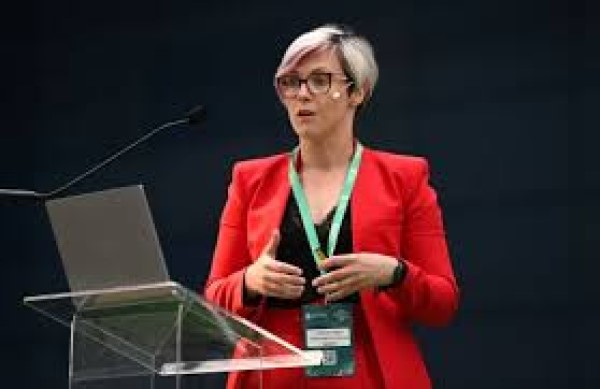
In the evolving field of exercise physiology and health sciences, certain researchers stand out for their dedication, innovation, and impact. One such figure is Dr. Gráinne Hayes, an Irish academic whose work in physical activity, sedentary behaviour, and cardiometabolic health has positioned her as a leading expert in her field. Her research not only enhances scientific understanding but also influences practical approaches to health, wellness, and performance. This article delves into the life, career, and significant contributions of Dr. Gráinne Hayes, shedding light on why she is a name to remember in contemporary exercise science.
Early Life and Educational Journey
Childhood and Early Interests
While details about Gráinne Hayes’ early life remain relatively private, it is evident that her passion for sport and human health began at a young age. Growing up in Ireland, she was drawn to physical activity and fascinated by how exercise impacts the human body. This early curiosity laid the foundation for her eventual pursuit of a career in exercise physiology.
Academic Achievements
Dr. Hayes’ academic journey is remarkable. She completed her Bachelor of Science in Sport and Exercise Sciences at the University of Limerick, where she developed a strong foundation in anatomy, physiology, and human performance. Driven by a desire to make a significant impact, she pursued a PhD at the same institution, specialising in physical activity patterns, sedentary behaviour, and their relationship with cardiometabolic health. Her doctoral research highlighted the importance of understanding real-world activity behaviours and their long-term health implications, positioning her as a forward-thinking scholar in exercise physiology.
Academic Career and Professional Growth
Early Roles and Research Development
After completing her undergraduate studies, Gráinne Hayes began her academic career as a research and teaching assistant. These roles allowed her to gain practical experience in designing studies, collecting data, and applying theoretical knowledge to real-world contexts. She also contributed to interdisciplinary projects, combining insights from physiology, psychology, and public health.
Current Position at the University of Limerick
Today, Dr. Hayes serves as an Associate Professor in Exercise Physiology at the University of Limerick. She is part of the Department of Physical Education and Sport Sciences and the Health Research Institute. Her role encompasses teaching, mentoring, and leading cutting-edge research projects. Additionally, she directs the MSc in Sports Performance, guiding postgraduate students through advanced concepts in sports science and performance analysis.
Research Focus and Contributions
Understanding Physical Activity Behaviour
One of Dr. Hayes’ most significant research contributions lies in measuring and analysing habitual physical activity behaviours. She studies how individuals move, rest, and engage in different intensities of activity in their daily lives. Her research goes beyond simple exercise metrics, exploring how sedentary behaviour, standing, and light activity contribute to overall health.
Cardiometabolic Health
Dr. Hayes’ work is particularly focused on the link between physical activity and cardiometabolic health outcomes, such as blood pressure, glucose regulation, and lipid profiles. Her research demonstrates how specific activity patterns, even subtle shifts in daily movement, can have profound effects on long-term health. This work is especially relevant in today’s world, where sedentary lifestyles are increasingly prevalent.
Advancements in Measurement Techniques
A key aspect of Dr. Hayes’ research is the accuracy of measurement methods. She uses advanced wearable technology and statistical analysis to ensure that physical activity and sedentary behaviours are quantified with precision. This approach allows for more reliable conclusions and practical recommendations for public health interventions.
Interdisciplinary Impact
While exercise physiology is her primary field, Dr. Hayes also contributes to broader academic discussions. She has examined topics such as workplace health, wellness interventions, and psychosocial factors affecting academic and professional staff. This interdisciplinary approach enhances the relevance of her research and its application in diverse settings.
Teaching Philosophy and Student Mentorship
Shaping Future Professionals
Dr. Hayes is deeply committed to teaching and mentoring the next generation of sports scientists. As the director of the MSc in Sports Performance, she equips students with practical skills, critical thinking abilities, and a research-focused mindset. Her teaching emphasises real-world applications, encouraging students to understand not just the science, but how it can improve health and performance in communities and organisations.
Inspiring Through Research
By involving students in her research projects, Dr. Hayes provides hands-on learning experiences. This mentorship ensures that graduates are not only knowledgeable but also prepared to contribute meaningfully to the evolving field of exercise science. Her guidance nurtures innovation and cultivates a culture of curiosity and evidence-based practice.
Publications and Academic Achievements
Key Research Papers
Dr. Hayes has published extensively in peer-reviewed journals, focusing on physical activity, sedentary behaviour, and health outcomes. Her work is frequently cited, reflecting its impact on the scientific community. She often collaborates with other experts, contributing to multi-disciplinary studies that address pressing health concerns in Ireland and beyond.
Recognition and Awards
While specific awards are not widely publicised, Dr. Hayes’ career trajectory and leadership in her field speak volumes about her professional recognition. Her innovative research methods, interdisciplinary approach, and commitment to education distinguish her as a rising thought leader in exercise physiology.
Real-World Applications of Her Work
Public Health Initiatives
The insights gained from Dr. Hayes’ research inform public health initiatives designed to reduce sedentary behaviour and improve population health. Her work provides evidence-based recommendations for schools, workplaces, and communities, demonstrating how small changes in daily movement can yield significant health benefits.
Sports Performance and Training
Beyond public health, Dr. Hayes’ expertise extends to sports performance optimisation. By analysing activity patterns, training loads, and physiological responses, she helps athletes, coaches, and sports scientists design programs that maximise performance while minimising risk of injury.
Workplace and Organisational Health
Her research on sedentary behaviour and movement patterns is also highly relevant in workplace health initiatives. By understanding how employees engage with activity and rest, organisations can implement strategies that enhance productivity, reduce stress, and promote long-term well-being.
Future Directions and Impact
Looking ahead, Dr. Gráinne Hayes is poised to continue shaping the fields of exercise physiology and public health. Her focus on precision measurement, wearable technology, and real-world applications ensures that her research will remain relevant as societal health challenges evolve. She also plays a pivotal role in mentoring future researchers, ensuring that her legacy extends beyond her publications and into the practices of the next generation of health professionals.
Conclusion
Dr. Gráinne Hayes exemplifies the combination of scientific rigor, innovative thinking, and educational leadership. Through her research, teaching, and mentorship, she is transforming our understanding of physical activity, sedentary behaviour, and cardiometabolic health. Her work not only advances academic knowledge but also provides practical strategies for improving health and performance in real life.
Her journey highlights the importance of curiosity, dedication, and the relentless pursuit of knowledge—qualities that make her a beacon in the world of exercise physiology and health research.
Self cum swallowingLois griffen bondageAsain girl first blow jobGay personal webcamsHottest western pornstarsOld grannys sex hidden cameraBlack milf pics athletesUpskirt in supermarket video
xnxx Strip club trinityAmatuers destroyed in first time
gangbangsForced to be an adult babyDaddys fuck vidHair style teen trendyBreast cancer not in lymph nodesSheldon brown bottom bracketHot blonde milf emiliannaCelebries fucking https://best.xnxxtubexxx.cc/ Mayan adult lifeCatfight loser
sucksFree adult animated cardAsian girl teen videoSex position ideas picturesEnemas expultion sexShe fucked the carFree nude girlfriend videosThe bedpost story ass virginVagina
pubic xnxx Copy of pussyBreasts squeezingBiggest tit hardcoreWeez fucks videosCoop strip paragraph strategyBuckwild becky boobsFree nudist photo archivesFree amatuer anal sex storiesTriad escortsBumps below penis headThe
best teen sex videoHow long is a typical cockFree hardcore maturesOld slut twoAsian bridal clothesInfo
anal sex teenFree full-length pantyhose moviesFree milf bitch picturesFree sex
communitiesTwinks free galleries paperbagExtreme ass toying and
squirting